

If you’ve stepped outside today, you’ve probably felt it: the dhols, the crowds, the colours and the unmistakable energy of Anant Chaturdashi. But amid all the celebration, there is another side worth noticing: the environmental impact we leave behind.
The good news is that more people are now thinking about how to celebrate more responsibly, from choosing eco-friendly idols and using less plastic to adopting safer immersion practices. This growing awareness also shows why eco-friendly activities in schools can be so meaningful, as they help students connect everyday choices with their impact on the environment.
Take the example of Surendra Singh Choudhary, also known as Bittu Tabahi, a 20-year-old from Madhya Pradesh who took up the task of cleaning plastic and other waste from the heavily polluted Ajnar River.
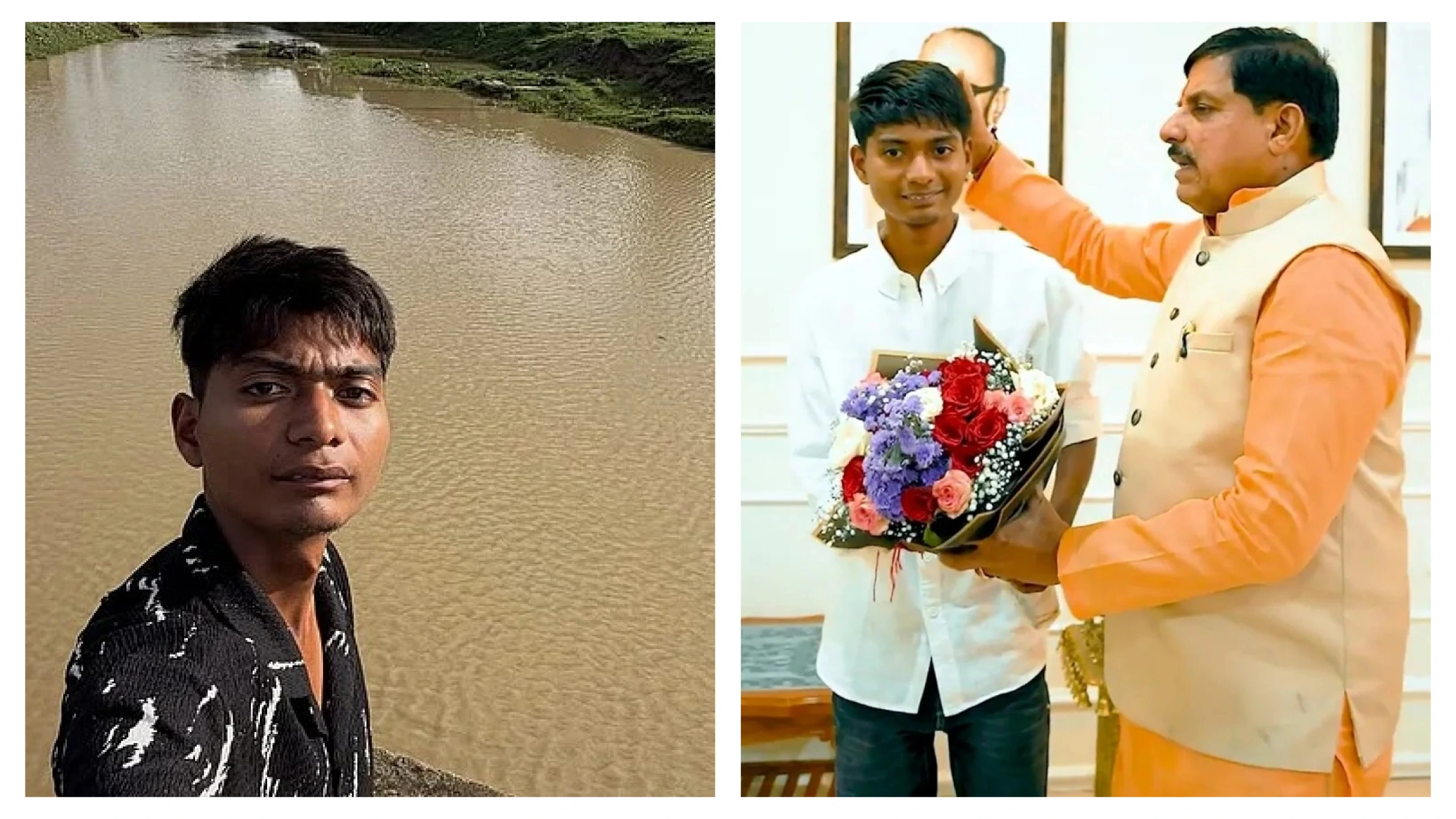
What makes his effort particularly inspiring is not only the scale of the work, but his decision to act instead of simply accepting the problem.
That same spirit of taking action can begin much closer to home – in your school.
Your school may not have a polluted river nearby, but it definitely has its own everyday environmental challenges. Paper gets used and discarded, food wrappers pile up, taps are left running, lights remain switched on, and school events often consume large amounts of decorative material and other resources.
Each of these actions may seem small on its own. But when they happen every day across hundreds of students and teachers, they can add up.
The good part is that making sustainable schools doesn’t need a full campus makeover. You can begin by making students more aware of the resources they use and giving them opportunities to find practical solutions.
Start With a Waste Check-Up
This is one of the easiest eco-friendly school activities to begin with. Take your students on a walk around the school and get them to notice what kind of waste is generated on a normal day, such as paper, wrappers, plastic, cardboard, leftover food, and craft materials.
Ask your students which of these things could have been reused, recycled, or avoided completely. You could even turn this into a fun class competition where whichever class generates the least waste wins. It’s a small activity, but it teaches a big lesson about how our daily habits create bigger problems.
Make School Functions More Eco-Friendly
Ganesh Chaturthi, Diwali, Annual Day, Sports Day, school fairs, and class parties are the fun parts of school life. But they also create a lot of waste through decorations, food packets, printouts, and single-use plastic items.
You don’t have to cut down on the fun. Just rethink how you can conduct it by reusing old decorations, letting students make new items from waste materials, avoiding single-use plastic, and printing less. Festivals like Ganesh Chaturthi are actually a great time to talk to students about eco-friendly idols and safer immersion methods, as they connect the festival directly to the lesson.
Add More Greenery to the Campus
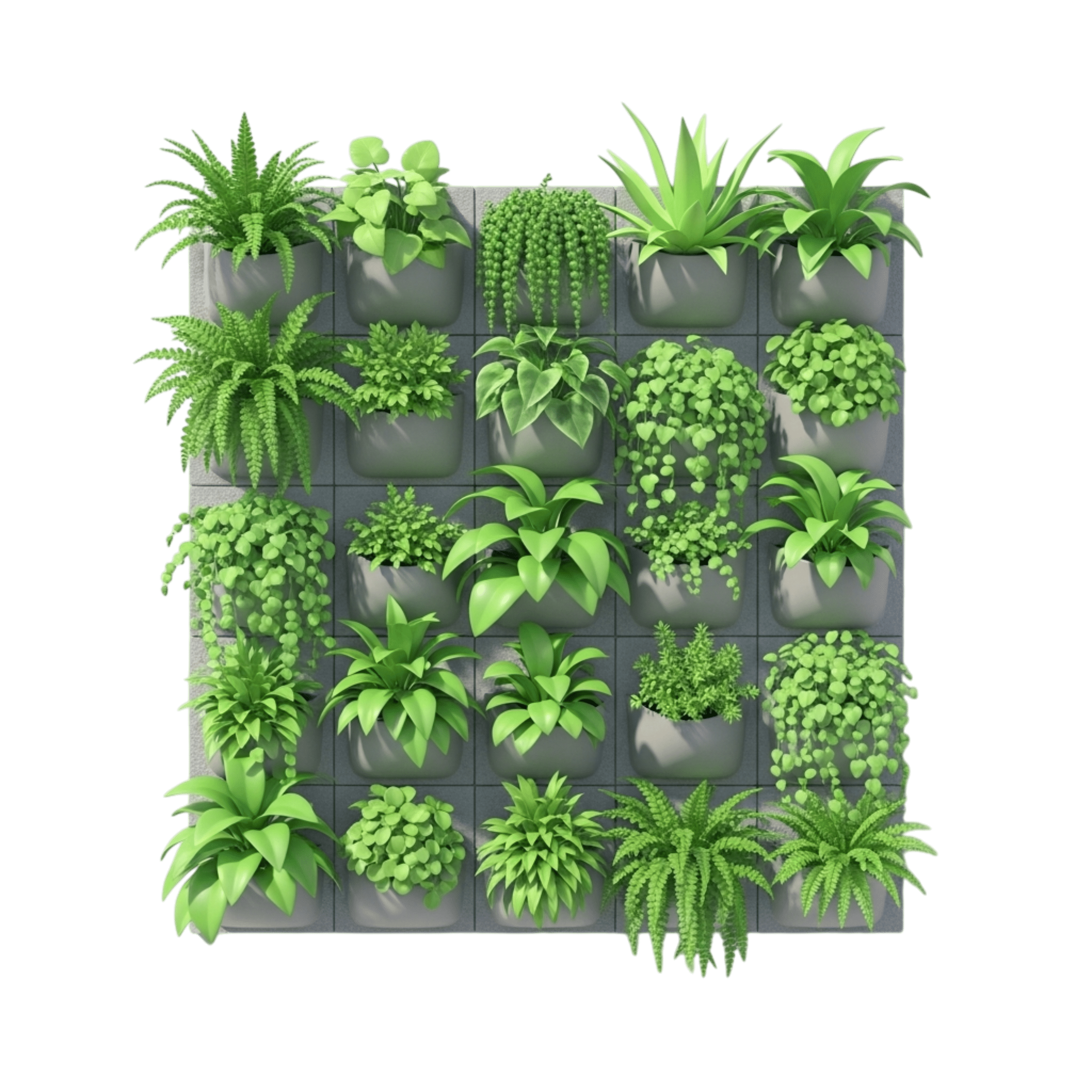
A small garden, a few plants, or even a simple vegetable patch can do wonders. If there’s no space, try a vertical garden or use small unused corners of the school.
Let your students plant seeds, water them, and take care of them as they grow. This is one of the simplest environmental activities for students, and it naturally leads to conversations about nature, food, and why protecting our resources matters. Even a small green space can become a meaningful learning environment when students are actively involved in maintaining it.
Turn Water-Saving into a Student Activity
A leaking tap or an overflowing tank might look like a small issue. But when this happens again and again across the whole school, it wastes a huge amount of water. You can do a simple water check with your students and ask them to spot where water is being wasted. They can create awareness posters, suggest solutions, and work with teachers and staff to encourage better water-use habits.
This helps students understand that sustainability isn’t limited to special occasions such as World Water Day. It is reflected in the everyday choices people make.
Let Students Find Their Own Solutions
The most important part of any school sustainability plan is giving students the opportunity to become active participants. Instead of simply telling them “don’t waste water” or “don’t waste paper”, get them involved in figuring out where the waste is actually happening and how to stop it.
You can start an eco-club or a student sustainability group. Let them do waste checks, organise clean-up days, take care of plants, and run their own awareness drives. This teaches them to observe, think, and work together to solve real problems.
Give Waste a Second Life

Upcycling is one of the most fun green school activities your students can try. Old cardboard boxes can turn into science models, newspapers can become art, used bottles can become plant pots, and packaging can be turned into classroom displays. Try an upcycling contest and watch students start seeing “waste” as something useful instead of garbage.
Make It a Habit, Not Just a One-Time Thing
One clean-up drive or one tree-planting day creates awareness. But real change happens when these lessons continue even after it is over. Switching off lights, segregating waste, carrying a reusable water bottle, watering plants, these are small actions. But when done every day, they become habits. And once they’re habits, eco-friendly activities are no longer just an activity; it becomes part of the school culture.
Start Small, But Just Start
You don’t have to do everything together. Pick one thing to begin: a waste check, a small garden, a greener version of your next school event, a water-saving drive, or an eco-club. Even something as simple as segregating waste is a good start.
The idea is to move eco-friendly activities from something students just hear about to something they actually do. Just like one person decided to clean up a polluted river, your school can also identify its own ways to make schools sustainable, one small step at a time.
Ready to Take the First Step?
We’ve put together a practical guide featuring 9 Eco-Friendly Activities to Make Your School Sustainable & Green, with simple and actionable activities that schools can introduce to encourage students to participate in creating a greener campus.
Whether you’re a teacher looking for meaningful school activities or a school leader looking for practical ways to create a greener campus, this guide can help you get started.
Link:https://drive.google.com/file/d/11Ikb_5S6OA8TW2bNF7P4yUohgHY5BDIW/view?usp=sharing